
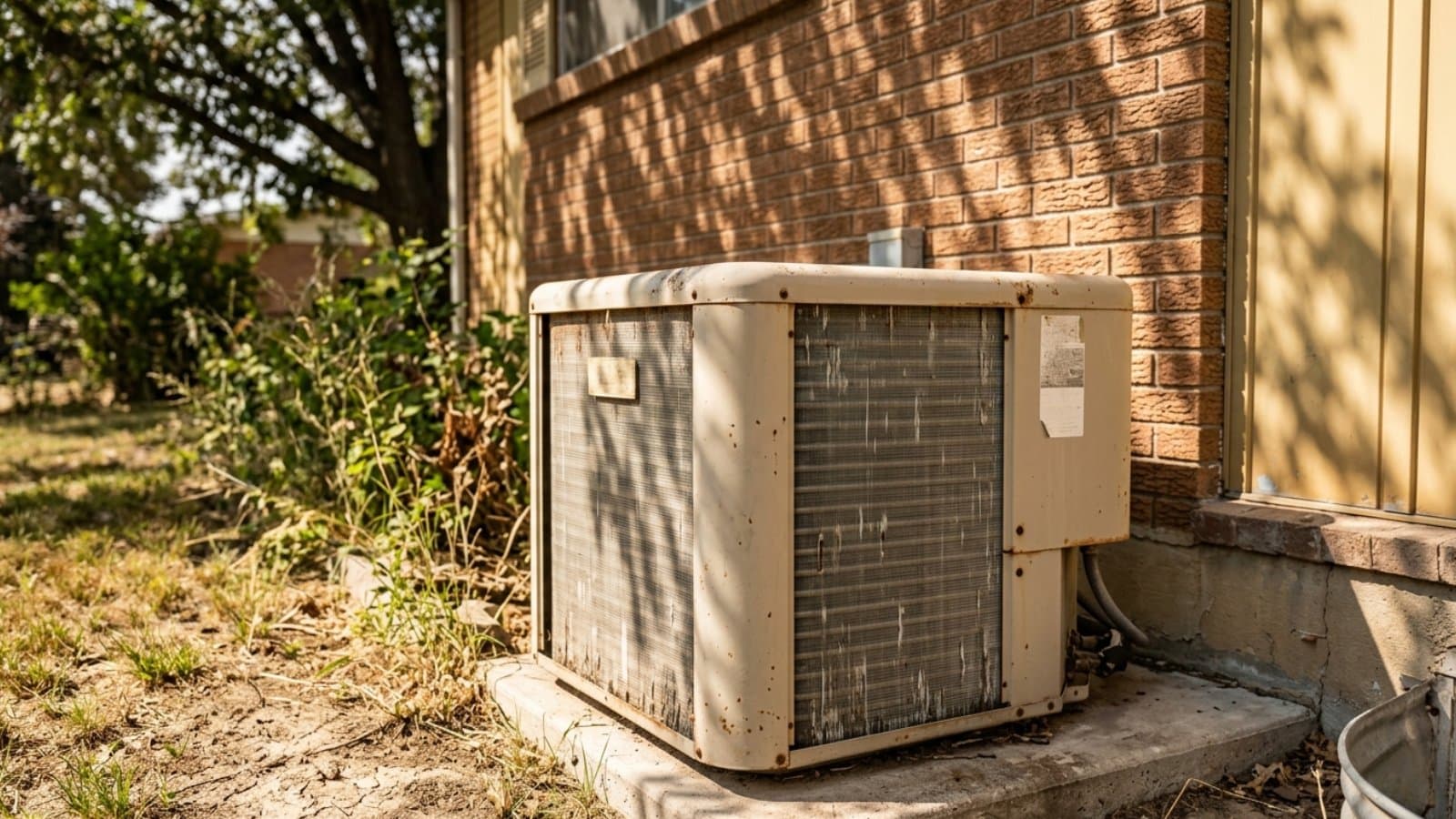
Air Conditioning Repair Help for Taylorsville Homeowners
Most of Taylorsville was built during the 1970s and 1980s suburban expansion, which gives the city an unusually consistent housing stock. Homes share similar construction, similar electrical infrastructure, and in many cases similar cooling equipment that has been replaced once or twice since the original build. Single-pane windows and lighter insulation from that era mean air conditioners here work harder than the square footage alone would suggest.
Salt Lake Cooling Repair connects Taylorsville homeowners with independent, licensed technicians from our network. We do not perform repairs or employ technicians. You describe the problem and share your ZIP code by phone or through the form, we match you with a partner who works in Taylorsville and has availability, and the technician handles scheduling, diagnosis, and the written estimate.
Common AC Problems in Taylorsville
Because so many Taylorsville homes are the same age, repair patterns are consistent from one neighborhood to the next. Homeowners frequently describe high cooling bills alongside mediocre cooling, which can trace back to a dirty coil, low refrigerant, leaky ductwork, or a system that is simply worn. Short cycling, where the unit starts and stops every few minutes, is another common report and can indicate anything from an oversized replacement unit to a failing part. A technician can isolate the cause rather than treating the symptom.
For the full list of symptoms homeowners report and the checks that are safe to do yourself, see common cooling repair needs.
Service Coverage in Taylorsville
Partner technicians accept requests throughout Taylorsville, including Bennion, Plymouth View, and Valley Hi. Taylorsville borders Murray, West Valley City, and West Jordan, so technicians who serve those cities are often available here as well. We confirm coverage for your specific address when you call or submit the form.
Salt Lake Cooling Repair is a lead-generation service, not an HVAC contractor. See how requests work.