About AC Repair in Sandy
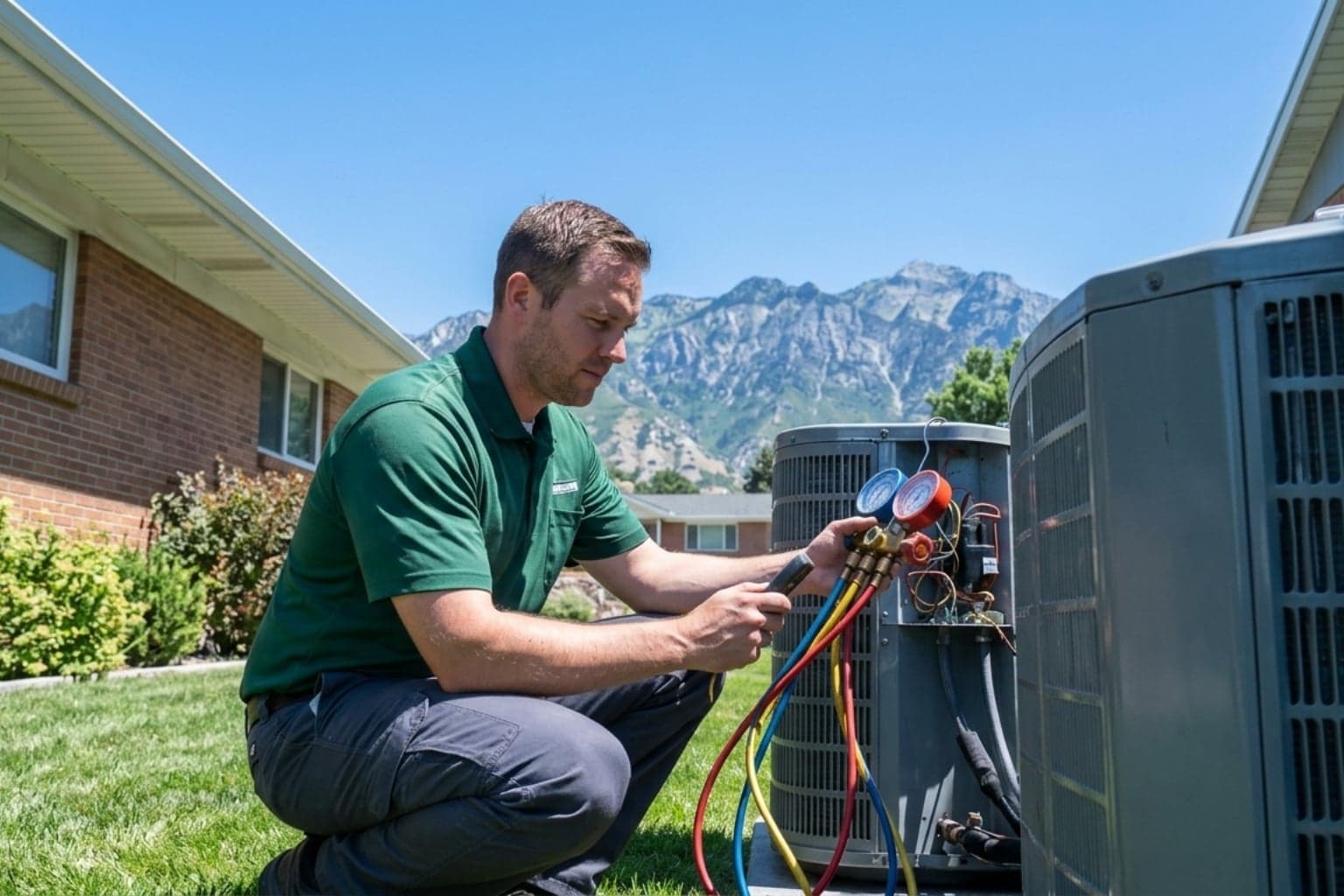
Sandy's position against the Wasatch Front creates some of the hottest afternoon temperatures in the Salt Lake Valley due to thermal updrafts from the mountain slopes. Salt Lake Cooling Repair connects Sandy homeowners with EPA-certified cooling technicians who respond quickly to AC failures across the city.
Local Cooling Challenges in Sandy
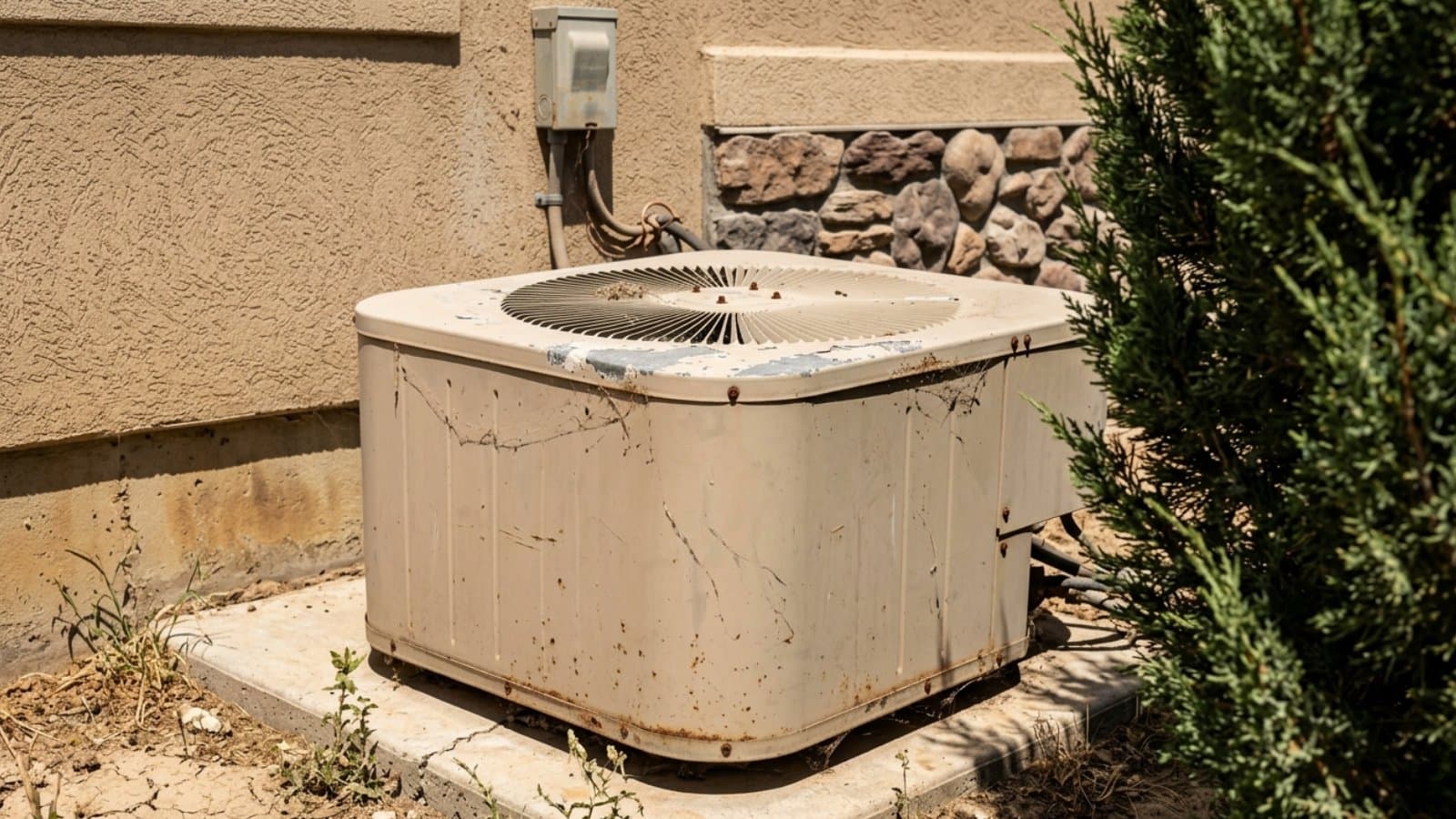
Sandy's eastern neighborhoods experience afternoon temperatures 2 to 5 degrees hotter than the valley floor as thermal energy reflects off the Wasatch mountainsides. This extra heat load pushes AC systems harder than in many other SLC suburbs. Many homes in western Sandy were built in the 1990s with builder-grade 10 SEER AC systems that are now 25 to 30 years old and operating at significantly reduced efficiency. Eastern Sandy homes at higher elevations face additional compressor strain from altitude. Our partner technicians calibrate refrigerant charges for Sandy's elevation range and can advise on system upgrades that dramatically reduce cooling costs.
Neighborhoods We Serve
Our partner technicians serve all Sandy neighborhoods including Quarry Bend, Pepperwood, Bell Canyon, Alta Canyon, Dimple Dell, White City, and the Sandy City Center area.
Common AC Issues in Sandy
Common Sandy AC calls include compressor failures in aging 1990s-era systems, refrigerant leaks exacerbated by altitude and heat stress, condenser fan motor failures during extended heat waves, and efficiency assessments for homeowners considering upgrades from old 10 SEER to modern 16+ SEER systems.
AC Repair Costs in Sandy
AC repair costs in Sandy are consistent with the Salt Lake County average of $150 to $600 for most common repairs.
What Makes Sandy Different
Sandy began as a railroad camp in 1871, named for the sandy soil where Union Pacific laid track south of Salt Lake City. Today it's home to over 96,000 residents, Real Salt Lake's stadium at America First Field, and a mix of established 1990s neighborhoods east of I-15 and newer hillside builds climbing toward the Wasatch. The city's elevation gradient creates real differences in how AC systems perform across town.